The top 10 CCTV camera brands in India 2026 look very different from a year ago. From 1 April 2026, internet-connected CCTV cameras can only be sold in India if they pass STQC certification, the government’s security testing regime. Chinese giants Hikvision and Dahua didn’t get that approval, so they can no longer sell IP cameras here. Until 2025, Chinese brands held about a third of India’s CCTV market.
The biggest winner has been CP Plus. Its parent company, Aditya Infotech, says its market share jumped from 20.2% in FY25 to 45.4% by the October–December 2025 quarter. Traders also say CCTV prices have risen by 15–20% since certification became mandatory. Here’s how the leading CCTV brands compare in the new market.
CCTV in India: 2026 Snapshot
| Point | Detail |
| New rule | Internet-connected CCTV cameras need STQC certification to be sold |
| Key dates | Uncertified sales barred from 9 April 2025; old imported stock allowed until 31 March 2026 |
| Component rule | Chips, memory and firmware can’t come from countries sharing a land border with India |
| Chinese brands’ former share | About one-third of the market |
| CP Plus market share | 20.2% in FY25, up to 45.4% by Q3 FY26 (Aditya Infotech) |
| Price impact | Up 15–20%, according to Delhi computer traders |
| Market size | About USD 5.75 billion in 2026 (Mordor) |
What the STQC Rule Means for Buyers
- Check certification first: a connected camera without STQC certification can no longer be legally sold in India.
- Hikvision and Dahua IP cameras are out: they didn’t receive STQC approval, and traders say TP-Link has also been affected.
- Expect higher prices: traders report increases of 15–20%.
- Indian chips are coming: L&T Semiconductor is working with CP Plus on Indian-designed camera chips, and Chennai’s Mindgrove is developing a CCTV chip called Vision SoC.
The Homegrown Leaders
1. CP Plus (Aditya Infotech)
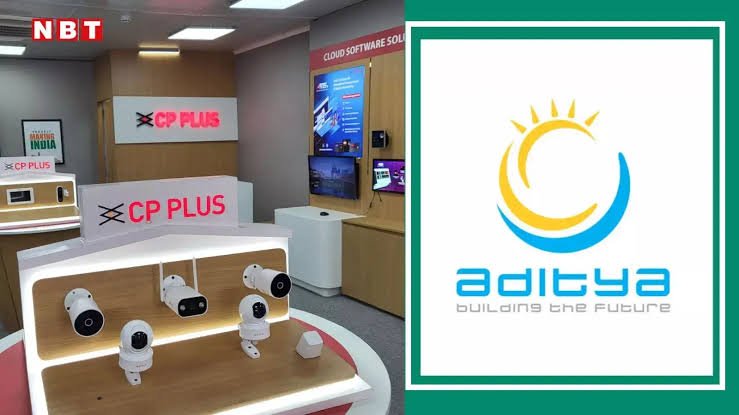
CP Plus is now India’s dominant CCTV brand, with its parent’s share rising to 45.4% by Q3 FY26. It covers everything from home Wi-Fi cameras to large AI-powered surveillance systems.
- Price: home cameras roughly ₹2,500–₹5,000 (per 91mobiles)
- Best for: homes, shops and large businesses wanting a widely serviced brand
2. Qubo (Hero Electronix)
Qubo, from the Hero group’s electronics arm, focuses on smart home security, including Wi-Fi cameras, video doorbells and dashcams with app support. Its founder publicly welcomed the government’s crackdown on non-compliant cameras.
- Price: home cameras roughly ₹2,500–₹5,000 (per 91mobiles)
- Best for: smart-home users who want app-based cameras
3. Prama
Prama is one of the Indian brands that expanded quickly as Chinese players left. It’s often recommended for small businesses that need multi-camera setups.
- Price: not verified
- Best for: small business and multi-camera systems
4. Matrix (Matrix Comsec)
Matrix is a Vadodara-based maker of security and telecom equipment, known for enterprise-grade video surveillance and access control.
- Price: not verified
- Best for: offices and enterprise security
5. Sparsh
Sparsh is another Indian brand that redesigned its supply chain around non-Chinese components to meet the new rules.
- Price: not verified
- Best for: commercial installations
6. Godrej Security Solutions
Godrej brings its long history in safes and locks to video surveillance and home security, sold through a wide dealer network.
- Price: not verified
- Best for: buyers who trust a long-established Indian security name
Global Premium Brands
7. Bosch
Bosch focuses on premium enterprise surveillance, such as large campuses, factories and critical infrastructure.
- Price: not verified; enterprise pricing
- Best for: high-end commercial projects
8. Honeywell
Honeywell’s security business serves large commercial and industrial buyers with integrated surveillance and building systems.
- Price: not verified; enterprise pricing
- Best for: integrated building security
9. i-PRO
i-PRO, the security camera business that spun out of Panasonic, offers professional-grade cameras for enterprise use.
- Price: not verified
- Best for: professional and enterprise installations
10. Hikvision and Dahua: What Happened
These were once India’s most common CCTV brands because they were cheap. Since 1 April 2026 they can no longer sell IP cameras in India, as they failed STQC certification. Existing cameras keep working, but you may want to check with your installer about long-term support and firmware updates.
Choosing a CCTV Camera
- Wi-Fi camera or wired system? Wi-Fi cameras suit homes, while wired DVR/NVR systems suit shops and offices with many cameras.
- Resolution: 2MP (1080p) is enough for most homes, and 4MP or more helps identify faces and number plates.
- Night vision: look for infrared, or colour night vision for clearer footage after dark.
- Storage: choose between microSD, NVR hard drive or cloud. Cloud usually costs a monthly fee.
- Budget for installation: cabling, mounting and storage add to the cost of the camera.
CCTV Questions, Answered
Q1. Which is the best CCTV camera brand in India?
A: CP Plus is now the market leader, with a 45.4% share by Q3 FY26. Qubo is strong for smart home cameras, Prama and Matrix for business systems, and Bosch and Honeywell for premium enterprise projects.
Q2. Is Hikvision banned in India?
A: Hikvision and Dahua didn’t receive STQC certification, so from 1 April 2026 they can no longer sell internet-connected CCTV cameras in India. Existing installed cameras still work.
Q3. What is STQC certification for CCTV?
A: It’s mandatory security testing for internet-connected CCTV cameras in India. Under the rules, key parts like chips, memory and firmware can’t come from countries that share a land border with India.
Q4. Why have CCTV prices gone up?
A: Delhi computer traders say prices rose 15–20% after STQC certification became mandatory and cheap Chinese imports were blocked.