The Top 10 Coffee Brands in India 2026 tell a strange story about a country that grows far more coffee than it drinks. India exports roughly 95% of its crop, and Italy alone bought more than a million bags in 2025. The jar on your kitchen shelf is competing with espresso bars in Rome for the same beans.
That balance is shifting, slowly. Indians still drink only about 0.07 kg of coffee per person each year, against a global average near 1.3 kg. But cafés are multiplying beyond the metros, quick-commerce apps deliver cold brew in minutes, and a tax cut in late 2025 made instant coffee cheaper overnight.
Below are the best coffee brands in India right now, with real prices. They fall into three groups: instant giants, specialty roasters, and South Indian filter favourites.
India’s Coffee Market Current Overview
| Fact | Detail |
| Production 2025–26 | Coffee Board post-blossom estimate: 4.03 lakh tonnes (a record); USDA estimates lower, near 6 million 60-kg bags |
| Domestic consumption | USDA forecast: about 1.36 million bags in 2025–26, up from 1.15 million |
| Instant coffee’s share | Roughly 70% of home consumption |
| Per-capita consumption | ~0.07 kg a year vs ~1.3 kg globally |
| GST on instant coffee | Cut from 18% to 5% on 22 September 2025 |
| Main growing states | Karnataka, Kerala, Tamil Nadu |
| Largest export buyer | Italy |
How We Picked These Brands
- Reach: can you actually buy it in Lucknow or Indore, not just Bengaluru?
- Range: instant, filter, beans, cold brew, or a mix.
- Sourcing: how openly the brand shares where its beans come from.
- Value per cup, not just price per pack.
- Momentum in 2025–26: new funding, store openings, launches.
All prices below are MRPs checked in September 2026 on major grocery apps. Actual selling prices vary by city, pack size and ongoing offers, and discounts of 10–50% are common on quick-commerce platforms.
The Top 10 Coffee Brands in India 2026, Ranked
1. Nescafé (Nestlé India)
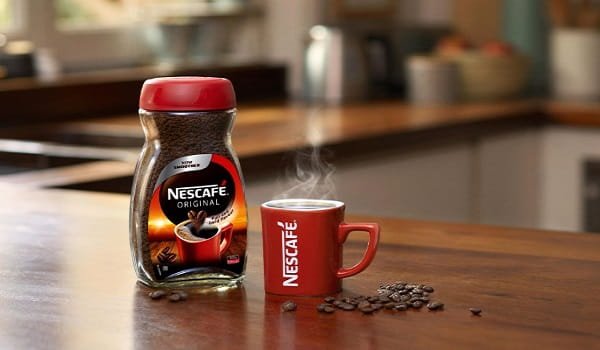
If India has a default coffee, it’s this one. Nescafé built the instant coffee habit in hostels, offices and railway canteens, and it still dominates supermarket shelves.
Market-share figures depend on who’s counting. Industry reports often credit Nescafé with about 40% of branded coffee. Nielsen data from 2011, however, once showed Bru nudging ahead. These two have traded places for decades.
- Popular picks: Classic (100% coffee), Gold (freeze-dried), Sunrise (60% coffee, 40% chicory)
- Price: Sunrise sachets from ₹2; Classic 90 g jar ₹410; Classic 100 g jar about ₹485 at some retailers
- Best for: quick cold coffee shaken in a bottle
2. Bru (Hindustan Unilever)
Bru tastes like a South Indian home kitchen: rounder, heavier, made for milk and sugar. That’s why Tamil, Telugu and Kannada households stayed loyal even as Nescafé spread nationwide.
Sources disagree on its launch year (1968 or 1969), but it has been in Indian kitchens for well over five decades. One detail many shoppers miss: Bru Instant is a 70:30 coffee-chicory blend, while Bru Gold is 100% coffee. The two taste noticeably different.
- Popular picks: Bru Instant, Bru Gold, Green Label filter coffee
- Price: Bru Instant 100 g listed at ₹220–₹310; Bru Gold 100 g jar ₹360–₹390; Green Label filter coffee 500 g ₹205
- Best for: milky, comforting coffee on a budget
3. Tata Coffee Grand (Tata Consumer Products)
Tata’s coffee story starts on plantations, not in factories. Tata Coffee dates back to 1922. On 1 January 2024 it merged into Tata Consumer Products, and its plantation business moved into a Tata Consumer subsidiary. That business covers roughly 18–19 estates; sources differ on the exact count.
Few shoppers realise that Tata Consumer also owns half of Tata Starbucks, which crossed 500 stores by November 2025. It’s the same group behind two very different cups.
- Popular pick: Tata Coffee Grand instant
- Price: 50 g pouch around ₹135
- Best for: families wanting a trusted alternative to the Nescafé–Bru rivalry
4. Continental Coffee (CCL Products)
You may have tasted Continental without knowing it. CCL Products is based in Hyderabad and started in 1994 as an export unit. Equity analysts have described it as India’s largest instant coffee manufacturer, and it makes private-label coffee for retailers and global brands.
Its own range covers every budget:
- Continental Xtra: 70% coffee, 30% chicory
- Continental Speciale: 100% spray-dried coffee
- Continental Premium: freeze-dried, 100% coffee
- Continental Malgudi: roast and ground filter coffee
Price: ₹5 sachets; Xtra 200 g jar ₹525–₹650 depending on retailer; Malgudi filter coffee 200 g about ₹170
Best for: value-focused buyers who still want pure-coffee options
5. Blue Tokai Coffee Roasters
Blue Tokai did for Indian estate coffee what craft breweries did for beer. Matt Chitharanjan, Namrata Asthana and Shivam Shahi founded it in 2013. It roasts beans from Chikmagalur, Coorg and the Shevaroy Hills and grinds them to suit your brewer.
Its growth has been fast:
- More than 175 cafés in India, plus operations in Japan and Dubai
- ₹325 crore revenue in FY25
- A ₹175 crore Series D extension in May 2026
Its goal of 800 stores by the end of 2027 is still a target, not a reality.
- Price: 250 g ground or whole-bean packs ₹440–₹650; Easy Pour bags (5 × 11 g) ₹250–₹300; cold brew can (250 ml) ₹190
- Best for: pour-over, French press and AeroPress owners
Quick tip: check the roast date on the pack. Freshness affects flavour more than origin does.
6. Third Wave Coffee
Third Wave opened in Bengaluru in 2016 and now runs more than 240 cafés. In August 2026 it raised ₹408 crore in a round led by WestBridge Capital, which valued it at around ₹2,000 crore. It entered Kolkata in June 2026 and aims to reach 320 cafés by the end of FY27.
Most people know it only as a café. Its ground coffee and brew bags are also sold for home brewing, which is handy if you like the house espresso.
- Price: 250 g ground coffee ₹540; Easy Cold Brew pack (5 × 50 g) ₹445; Easy Pour bags (10 × 10 g) ₹356
- Best for: café regulars; brew bags for office desks
7. Sleepy Owl Coffee
Sleepy Owl began in Delhi in 2016, founded by three friends: Ajai Thandi, Arman Sood and Ashwajeet Singh. The idea was simple: good cold brew shouldn’t require a café. Its steep-and-strain packs made that possible in fridges across North India.
The beans are Chikmagalur Arabica, and the Gauri Khan Family Trust is among its backers.
- Price: cold brew packs (3 × 50 g) ₹300; ready-to-drink iced coffee (200 ml) ₹125–₹140; instant coffee 100 g ₹595–₹749
- Best for: hot summers, busy mornings, people with no brewing gear
8. Araku Coffee
Araku is the brand here with a social model you can taste. It grows in the Eastern Ghats of Andhra Pradesh, where the Naandi Foundation began working with Adivasi farmers in 1999. Farmers own their produce, individual plots are mapped by terroir, and the Arabica is organic.
Surprisingly, Araku opened a café in Paris before it had one in India. Its Indiranagar flagship in Bengaluru houses India’s first SCA-certified coffee training campus, and there’s a Mumbai outlet too.
- Price: a current Indian price for ARAKU-branded packs couldn’t be verified on major grocery apps, so check the brand’s own store or cafés. Other brands sell Araku Valley coffee for about ₹480–₹545 per 250 g, but those are not ARAKU products.
- Best for: gifting and specialty brewing
9. Levista (SLN Coffee)
Levista comes from SLN Coffee, with a plant in Kushalnagar, Karnataka, and beans sourced from Coorg. It sits neatly between old-school filter brands and national instant labels, and its filter blends are fixtures on South Indian supermarket shelves.
- Price: ₹10 sachets; 80:20 filter coffee 500 g listed at ₹490 on BigBasket, though the brand’s own site shows ₹340; Premium instant 100 g can ₹310, often heavily discounted
- Best for: everyday filter decoction
10. Davidoff Café
Davidoff is what people buy when instant coffee needs to feel like a treat. The familiar variants are Rich Aroma, Fine Aroma and Espresso 57, with a newer Origins range for single-country blends.
- Price: Rich Aroma 100 g ₹949; Origins 90 g ₹1,099
- Best for: black coffee drinkers and gift hampers
What Changed for Coffee Buyers in 2025–26
- Instant coffee got a tax break. GST on instant coffee fell from 18% to 5% on 22 September 2025, matching filter coffee. USDA analysts estimated retail prices could drop 11–12%. It’s worth checking whether your usual jar’s price actually moved.
- Crop estimates disagree. The Coffee Board projected a record 4.03 lakh tonnes for 2025–26. USDA stayed more cautious because heavy monsoon rain raised disease pressure on the plants. The final figure will likely land between the two.
- Instant still rules at home. It accounts for about 70% of household coffee consumption.
- Cafés are moving beyond the metros. Chains are opening in Agra, Ahmedabad, Mangaluru and Kolkata, widening coffee culture past its southern base.
Read the Label: The Chicory Question
Many Indian coffees contain chicory, a roasted root that adds body and bitterness at a lower cost. Packs that include it are sold as a “coffee-chicory mixture” and show the ratio on the label.
- 60:40 blends (like Nescafé Sunrise or Levista Strong): very bold and dark, with the least coffee per spoon.
- 70:30 or 80:20 blends: thick, strong decoction that pairs well with milk.
- 100% coffee: cleaner taste, better for black coffee and cold brew.
- The catch: chicory stretches coffee, so a cheaper jar isn’t always better value per cup.
Which Coffee Brand Suits Your Setup?
- No equipment, need speed: Nescafé Classic or Continental Speciale
- Steel filter at home: Bru Green Label, Levista 80:20 or Continental Malgudi
- French press or pour-over: Blue Tokai, Araku or Third Wave
- Summer mornings with no time: Sleepy Owl cold brew packs
- Gifting: Davidoff or an Araku sampler
Other Coffee Brands Worth Knowing
A few names just missed the list. Cothas, Narasu’s and Leo Coffee have decades of loyalty in Tamil Nadu and Karnataka. Black Baza focuses on biodiversity-friendly sourcing. Rage Coffee, Country Bean and Flying Squirrel appeal to younger online shoppers. Seven Beans suits people who like Italian-style roasts made with Indian beans.
FAQs
Q1. Which is the No. 1 coffee brand in India?
Nescafé is usually named India’s top coffee brand by sales, with Bru a close rival. Share estimates vary between research firms, and Bru has briefly pulled ahead in some past periods.
Q2. Which coffee powder is best for South Indian filter coffee?
Bru Green Label, Levista and Continental Malgudi are dependable picks. Regional names like Cothas, Narasu’s and Leo also have loyal followings. Check the chicory ratio and pick what suits your taste.
Q3. Is Bru or Nescafé better?
Neither wins outright. Bru Instant’s chicory blend suits milky, South Indian-style coffee, while Nescafé Classic works better black or in cold coffee. Try small packs of both before buying big.
Q4. Which Indian coffee brands are 100% coffee without chicory?
Nescafé Classic and Gold, Bru Gold, Continental Speciale and Premium, Davidoff, and specialty roasters like Blue Tokai, Araku and Third Wave sell pure coffee. Always check the label, since variants differ.
Q5. Did instant coffee get cheaper in India after the GST cut?
It should have. GST on instant coffee fell from 18% to 5% on 22 September 2025, and USDA analysts expected retail prices to drop about 11–12%. Actual shelf prices vary by brand.